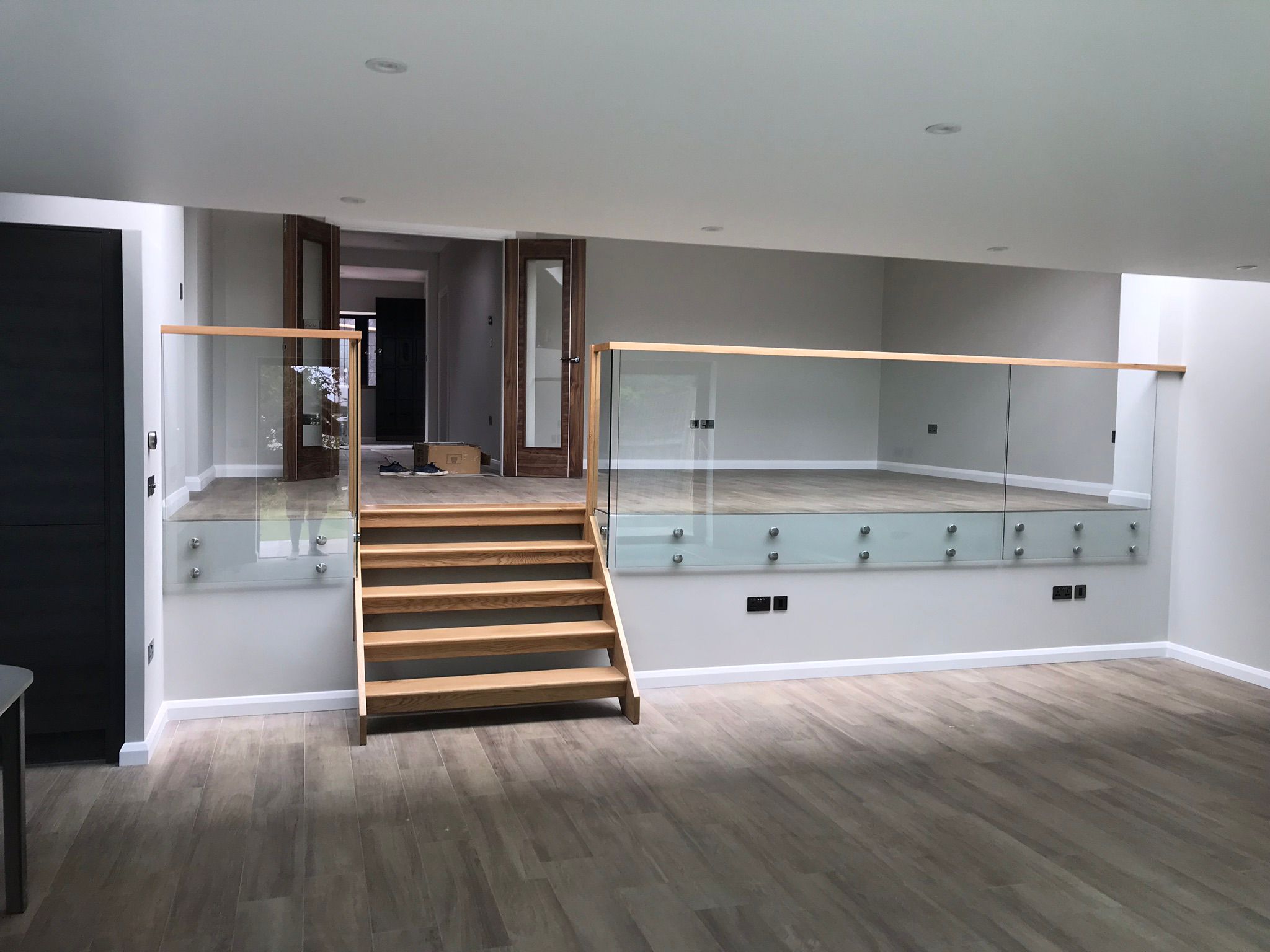
Understanding the Importance of Restoring Period Staircases
Restoring period staircases is a rewarding endeavor that can significantly enhance the character and charm of a home. These staircases often serve as a focal point, showcasing the craftsmanship and design aesthetics of a bygone era. Preserving them not only maintains the historical integrity of a property but can also add value and appeal.
Assessing the Condition of Your Staircase
Before beginning any restoration work, it's crucial to assess the current condition of your staircase. Look for signs of wear and tear, such as loose or creaking steps, damaged balusters, or worn treads. Understanding the extent of the damage will help you determine the scope of the restoration project and whether professional assistance is needed.
Choosing the Right Materials
Selecting appropriate materials is essential for maintaining the authenticity of period staircases. Whenever possible, use original materials or find suitable replicas. This might include sourcing reclaimed wood that matches the existing staircase or using traditional joinery techniques. The goal is to ensure that any repairs or replacements blend seamlessly with the original structure.
Repairing Structural Issues
Structural integrity is paramount when restoring staircases. Address any foundational problems, such as loose steps or wobbly railings, to ensure safety and stability. Reinforcing the structure might involve tightening screws, replacing damaged wood, or adding additional support where necessary.
Restoring Decorative Elements
Period staircases often feature intricate decorative elements, such as ornate balusters, newel posts, and handrails. Restoring these details can be a meticulous process, requiring careful cleaning, sanding, and refinishing. Pay attention to the original design and craftsmanship, and strive to preserve as much of the original detail as possible.
Finishing Touches
Once structural repairs and decorative restorations are complete, focus on the finishing touches. This might include applying a fresh coat of paint or stain that matches the original color scheme. Consider using finishes that highlight the natural beauty of the wood while providing protection against wear and tear.
Maintaining Your Restored Staircase
After restoration, regular maintenance is key to preserving the beauty and functionality of your staircase. Regularly inspect for signs of damage and address any issues promptly. Keep the staircase clean and free of debris, and periodically refresh the finish to protect against wear.
Conclusion
Restoring period staircases is a fulfilling project that enhances the historical charm of a home. By carefully assessing the condition, choosing the right materials, and focusing on both structural and decorative elements, you can preserve the unique character of these architectural features for years to come.