The Importance of Planning
Before starting any staircase refurbishment, it's crucial to have a clear plan. This includes understanding the current condition of your staircase, setting a budget, and knowing what you want to achieve. Proper planning helps avoid unexpected costs and ensures a smooth renovation process.
Choosing the Right Materials
Selecting the right materials is key to a successful staircase refurbishment. Consider the durability, maintenance, and aesthetic appeal of materials like wood, metal, or glass. Each material has its pros and cons, so choose one that fits your lifestyle and design preferences.
Safety Considerations
Safety should always be a priority during refurbishment. Ensure that the staircase is structurally sound and that any changes comply with local building codes. Adding non-slip surfaces and sturdy handrails can enhance safety for all users.
Maintaining the Original Structure
While it's tempting to completely overhaul your staircase, maintaining its original structure can preserve the character of your home. Consider refinishing or repainting existing elements instead of replacing them entirely.
Hiring Professionals vs. DIY
Deciding whether to hire professionals or tackle the project yourself depends on your skills and the complexity of the refurbishment. Professionals bring expertise and can handle unexpected challenges, while DIY can be more cost-effective if you have the necessary skills.
Budgeting Wisely
Sticking to a budget is essential. Allocate funds for materials, labor, and unexpected expenses. It's wise to set aside a contingency fund for any surprises that may arise during the refurbishment process.
Incorporating Modern Design Elements
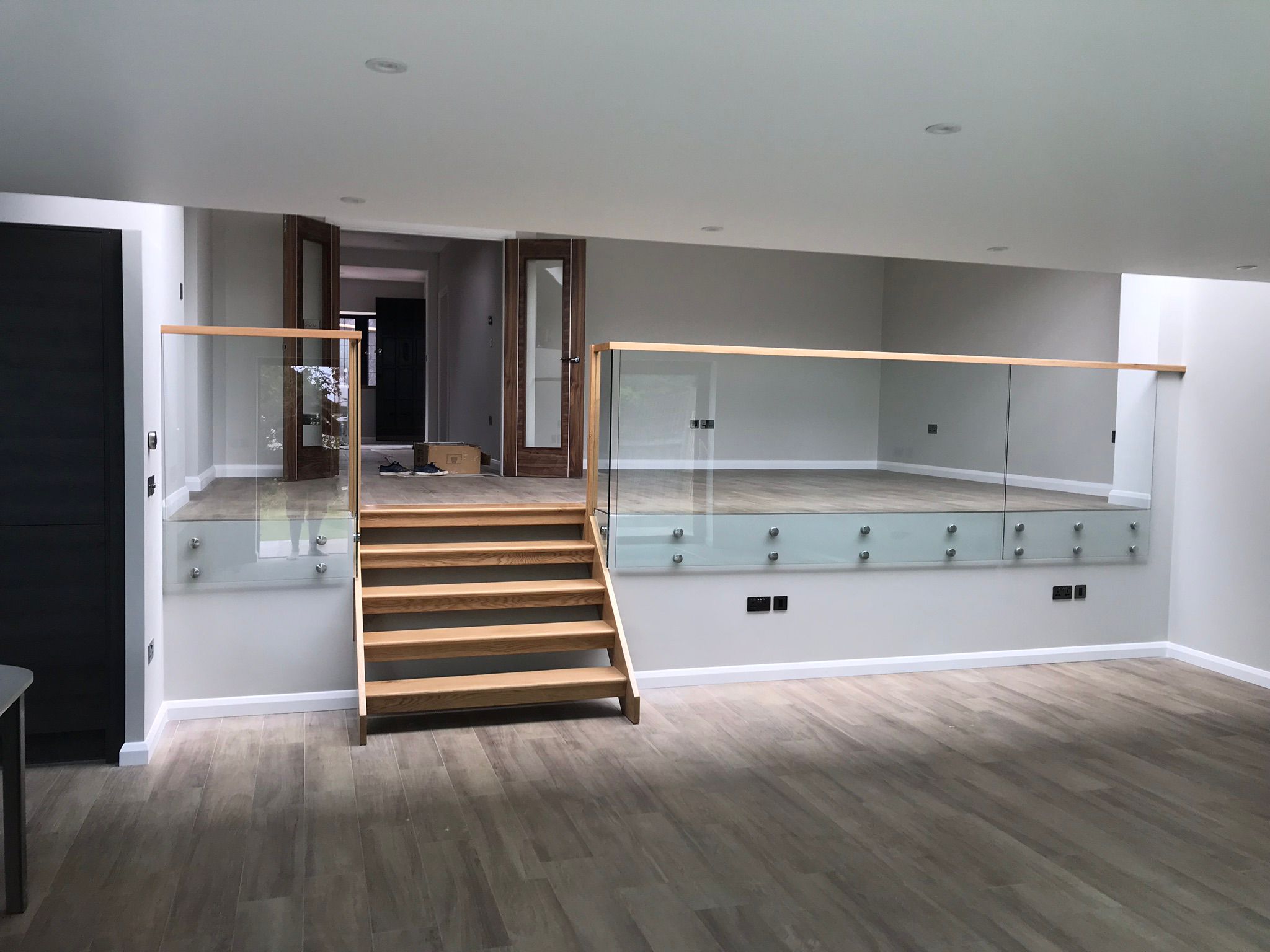
Updating your staircase with modern design elements can enhance the overall look of your home. Consider adding contemporary touches like sleek railings or minimalist balusters to give your staircase a fresh, updated appearance.
Regular Maintenance
After refurbishment, regular maintenance is key to keeping your staircase in top condition. Clean surfaces regularly, check for any signs of wear, and address minor issues promptly to prevent them from becoming major problems.
Environmental Considerations
If sustainability is important to you, consider using eco-friendly materials and finishes. Reclaimed wood or low-VOC paints can reduce your environmental impact while still achieving a beautiful result.
Personalizing Your Space
Your staircase can be a reflection of your personal style. Add unique touches like custom railings or decorative elements that make the space truly yours. Personalization can turn a functional element into a standout feature of your home.