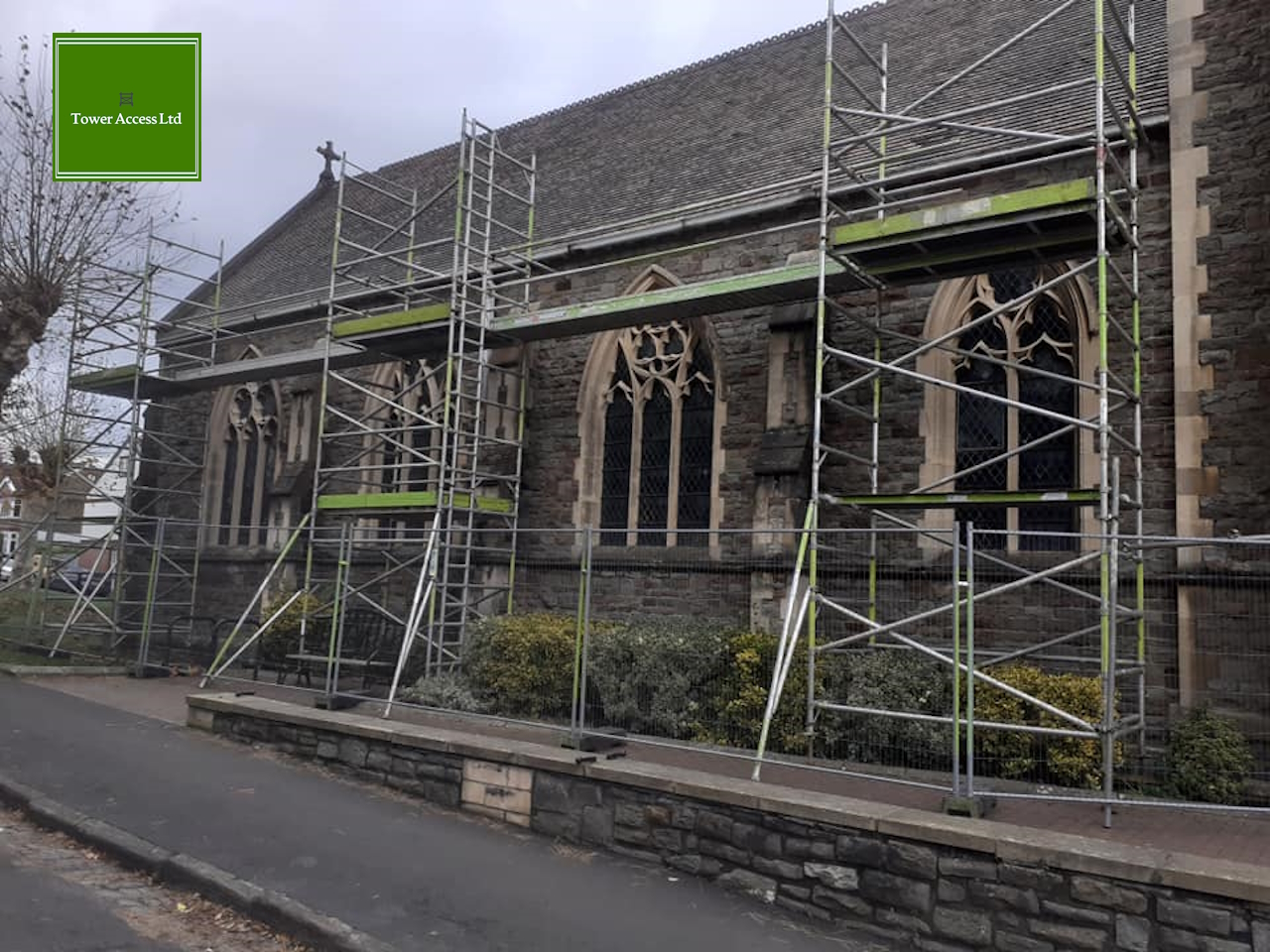
Understanding Tower Scaffolds
Tower scaffolds are essential for construction and maintenance work, providing a safe and stable platform for workers to perform tasks at height. These structures are typically made from lightweight materials like aluminum, making them easy to transport and assemble. However, their safe use requires careful planning and execution.
Preparing for Assembly
Before starting the assembly of a tower scaffold, ensure that the ground is stable and level. Uneven surfaces can lead to instability, increasing the risk of accidents. It's important to clear the area of any debris or obstacles that might interfere with the scaffold's stability.
Inspecting the Components
Check all components for any signs of damage or wear. This includes the frames, braces, platforms, and locking mechanisms. Damaged parts should be replaced immediately to maintain the integrity of the scaffold. Ensure that all components are clean and free from oil or grease, which can cause slippage.
Assembling the Tower Scaffold
Start by assembling the base of the scaffold. This is crucial for stability, so take extra care to ensure it's properly aligned and secure. Use adjustable base plates or casters to level the scaffold on uneven surfaces. Once the base is secure, begin adding the frames and braces, ensuring each connection is locked in place.
Installing the Platforms
Once the frame is assembled, install the platforms. These should be placed securely on the horizontal braces and locked into position. Ensure there are no gaps between platforms that could pose a tripping hazard. If the scaffold is to be used at height, consider installing guardrails for additional safety.
Securing the Scaffold
To prevent movement, secure the scaffold to a stable structure if possible. This is especially important in windy conditions or when the scaffold is at a significant height. Use ties or braces to anchor the scaffold, ensuring they are tight and secure.
Conducting a Safety Check
Before use, conduct a thorough safety check of the entire scaffold. Ensure all components are securely in place and that there are no loose parts. Check that the scaffold is level and stable, and that all safety features, such as guardrails and toe boards, are installed correctly.
Dismantling the Scaffold
When dismantling the scaffold, reverse the assembly process. Start from the top and work your way down, removing platforms first, followed by frames and braces. Take care to lower components safely to the ground, avoiding dropping them from height. Store all components properly to prevent damage and make future assemblies easier.
Training and Supervision
Ensure that all workers involved in the assembly and use of tower scaffolds are properly trained. They should understand the risks and safety procedures associated with scaffold use. Supervision by a competent person can help ensure that safety protocols are followed and that the scaffold is used correctly.
Regular Maintenance
Regular maintenance of scaffold components is essential for safety. Inspect all parts regularly and replace any that show signs of wear or damage. Keeping components clean and well-maintained will extend their lifespan and ensure the scaffold remains safe for use.
By following these guidelines, you can ensure the safe assembly and dismantling of tower scaffolds, providing a secure platform for workers to perform their tasks efficiently.