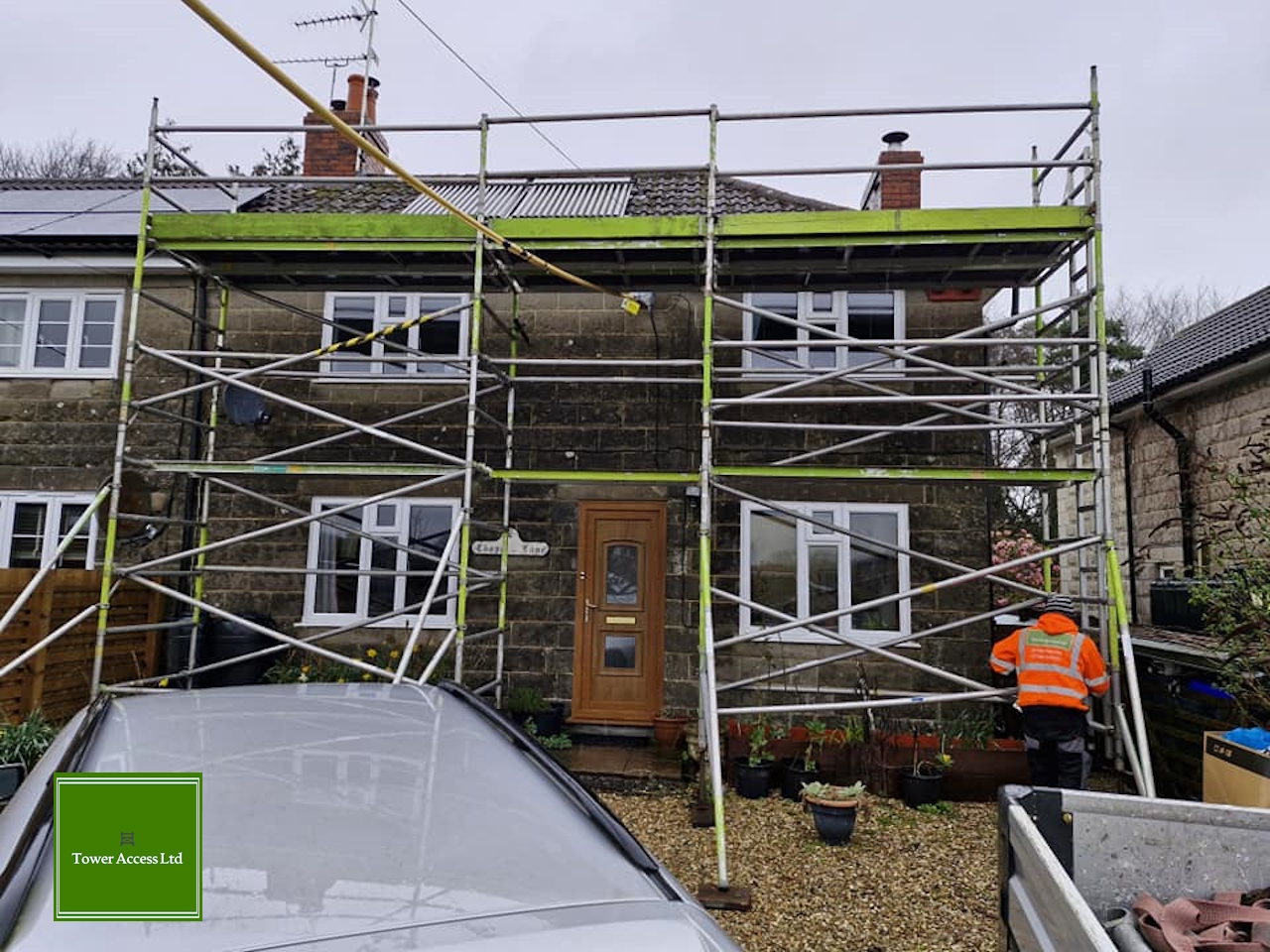
The Importance of Outriggers in Tower Scaffold Safety
Outriggers play a crucial role in ensuring the stability of tower scaffolds. These are the horizontal supports that extend from the base of the scaffold, providing additional stability and preventing tipping. When a scaffold is erected, especially at significant heights, the risk of it becoming unstable increases. Outriggers help distribute the weight and balance the scaffold, making it safer for workers to perform their tasks.
When setting up a tower scaffold, it's essential to ensure that the outriggers are correctly installed and secured. They should be placed on a solid, level surface to maximize their effectiveness. Proper use of outriggers can significantly reduce the risk of accidents, ensuring that the scaffold remains stable even when subjected to external forces like wind or uneven loads.
The Role of Guardrails in Preventing Falls
Guardrails are another critical component of tower scaffold safety. They act as a barrier to prevent workers from accidentally stepping off the edge of the scaffold. Falls from height are one of the most common causes of injury in construction, and guardrails are an effective measure to mitigate this risk.
A standard guardrail system includes a top rail, mid-rail, and toe board. The top rail provides the primary barrier, while the mid-rail offers additional protection. The toe board helps prevent tools and materials from falling off the scaffold, which could pose a hazard to workers below.
It's important to ensure that guardrails are installed at the correct height and are securely fastened. Regular inspections should be carried out to check for any signs of wear or damage, and repairs should be made promptly to maintain safety standards.
Combining Outriggers and Guardrails for Maximum Safety
While outriggers and guardrails each serve their own purpose, their combined use is essential for comprehensive scaffold safety. Outriggers provide the stability needed to support the structure, while guardrails offer protection against falls. Together, they create a safer working environment for those using the scaffold.
When planning a project that involves tower scaffolding, it's crucial to consider both elements in the safety plan. Proper training should be provided to all workers to ensure they understand how to use and maintain these safety features effectively. By doing so, the risk of accidents can be significantly reduced, leading to a safer and more productive worksite.
Regular Maintenance and Inspection
To ensure the ongoing safety of tower scaffolds, regular maintenance and inspection are vital. This includes checking the condition of outriggers and guardrails, as well as other components of the scaffold. Any signs of damage or wear should be addressed immediately to prevent potential safety hazards.
Inspections should be carried out by qualified personnel who are familiar with scaffold safety standards. They should look for issues such as loose connections, rust, or any other signs of deterioration. Keeping a detailed record of inspections and maintenance can help ensure that all safety measures are up to date and effective.
Training and Awareness
Providing proper training for workers who will be using tower scaffolds is essential. This training should cover the correct setup and use of outriggers and guardrails, as well as general scaffold safety practices. Workers should be made aware of the potential risks and how to mitigate them.
Creating a culture of safety on the worksite can help ensure that all team members are committed to following safety protocols. Encouraging open communication about safety concerns and providing regular updates on best practices can further enhance the safety of tower scaffold operations.